
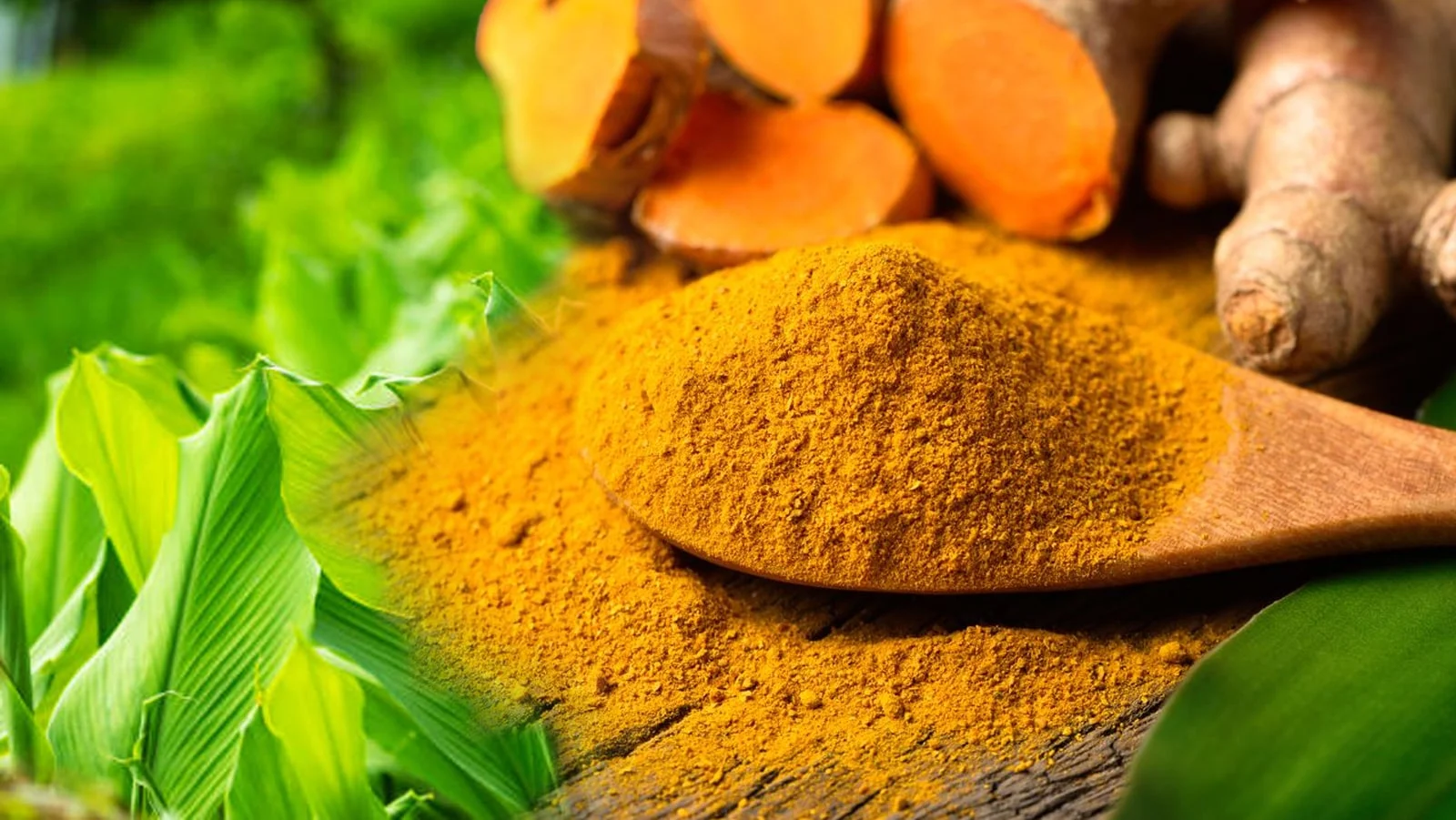

Turmeric is a spice commonly used in Indian, Middle Eastern, and Southeast Asian cuisine. It comes from the root of the turmeric plant and is known for its bright yellow-orange color and warm, slightly bitter taste. Turmeric has been used for medicinal purposes for thousands of years, and recent studies have shown that it has many potential health benefits.
Benefits:
- Anti-inflammatory properties: Curcumin has been shown to have strong anti-inflammatory effects, which may help reduce inflammation in the body and alleviate symptoms of arthritis, inflammatory bowel disease, and other chronic conditions.
- Antioxidant properties: Curcumin also acts as an antioxidant, which means it can neutralize harmful free radicals in the body and protect cells from oxidative damage.
- Potential cancer-fighting properties: Some studies have suggested that curcumin may have anti-cancer properties and could help prevent the growth and spread of cancer cells.
- Brain health: Curcumin may also have neuroprotective effects and could help improve cognitive function and reduce the risk of neurodegenerative diseases like Alzheimer's and Parkinson's.

Nutritional Value
Turmeric is a good source of manganese, iron, vitamin B6, fiber, and potassium. One tablespoon (6.8 grams) of ground turmeric contains approximately:
- Calories: 24
- Protein: 0.9 grams
- Fat: 0.7 grams
- Carbohydrates: 4.4 grams
- Fiber: 1.4 grams
- Vitamin C: 3% of the RDI
- Calcium: 1% of the RDI
- Iron: 16% of the RDI
- Potassium: 1% of the RDI
- Manganese: 26% of the RDI

Weight Loss
There is some evidence to suggest that turmeric may help with weight loss. Studies have found that curcumin can help reduce inflammation and oxidative stress, both of which are linked to obesity and metabolic disorders. Additionally, curcumin may help regulate blood sugar levels and improve insulin sensitivity, which could also contribute to weight loss.

Uses
Turmeric can be used in a variety of ways, including:
- As a spice in cooking: Turmeric is commonly used in curries, stews, and other dishes in Indian, Middle Eastern, and Southeast Asian cuisine.
- As a supplement: Turmeric supplements are available in capsule, powder, or liquid form and can be taken for its potential health benefits.
- In beverages: Turmeric can be added to tea or smoothies for its health benefits.
- As a natural dye: Turmeric can be used to add a bright yellow color to foods such as rice, noodles, and sauces.
It’s worth noting that while turmeric is generally safe when consumed in moderation, it may interact with certain medications and cause side effects in some people. As with any supplement, it’s important to talk to your doctor before taking turmeric if you have any underlying health conditions or are taking any medications.

